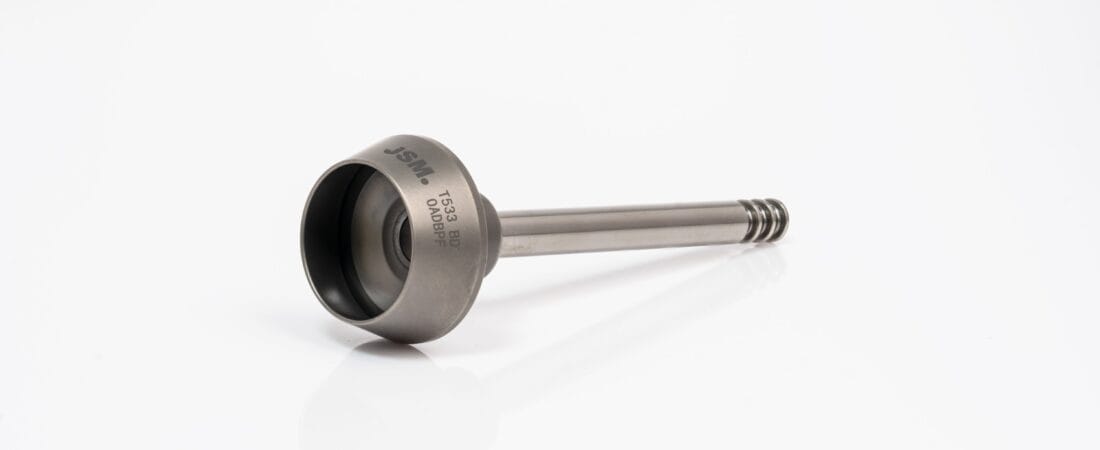
In open-end spinning mills, Schlafhorst rotor bearings (support disc bearings) are critical for production efficiency. The 1, 3, 5, and 6 Series differ heavily in axial positioning, speed ratings, and core materials. Most notably, the 5 Series marks a technological turning point with its magnetic ring positioning.
This guide breaks down these structural differences and reveals three critical maintenance traps to help you reduce downtime and cut costs.
1. Core Differences: The Structural Evolution from 1 to 6 Series
At operating speeds over 100,000 rpm, rotors generate violent axial vibrations. How each series stabilizes and positions the rotor shaft is what sets them apart.
5 Series: High-Performance Magnetic Ring Positioning (The Industry Workhorse)
- Positioning Principle: Combines a high-energy magnetic ring for axial positioning with a mechanical dampening sleeve.
- Structural Advantage: Holds the shaft tail securely using contactless magnetic suction, eliminating traditional friction and heat.
- Best Used For: High-speed automated spin boxes running between 105,000 and 120,000 rpm. The magnetic force ensures instant realignment after piecing.
3 Series: Traditional Spring-Dampener Mechanical Positioning
- Positioning Principle: Relies entirely on traditional spring seats, dampening bushes, or circlips for rigid positioning.
- Internal Structure: Features a standard integrated double-row ball bearing built without any magnetic ring assistance.
- Key Limitation: Springs suffer from high-frequency fatigue when speeds exceed 100,000 rpm, making the system highly dependent on heavy lubrication.
6 Series: Silicon Nitride Ceramic Balls & Micro-Maglev Structure
- Material Overhaul: Replaces internal steel balls with silicon nitride ceramic balls that are ultra-light and immune to thermal expansion.
- Positioning Principle: Upgrades to a fully integrated micro-magnetic levitation auxiliary system with aerodynamic low-resistance positioning.
- Best Used For: Ultra-high-speed machines (like Autocoro 9/10/11) running at 130,000 to 160,000+ rpm with sealed, extended-life grease cavities.
1 Series: Basic Mechanical Circlip Structure
- Positioning Principle: Uses the most basic groove positioning or physical snap rings with no advanced dampening.
- Key Limitation: Restricts speeds to under 80,000 rpm due to heavy heat generation from standard steel balls. It is strictly for legacy BD models spinning coarse counts.
2. Technical Snapshot: Four Series Comparison Matrix
| Bearing Series | Core Positioning & Structural Features | Rolling Element Material | Max Speed Rating | Common Machine Compatibility |
|---|---|---|---|---|
| 6 Series | Ceramic Balls + Micro-Maglev Auxiliary Positioning | Silicon Nitride Ceramic | 130,000+ rpm | Autocoro 9 / 10 / 11 |
| 5 Series | Double-Row Steel Balls + Magnetic Ring Positioning | Precision Alloy Steel | 120,000 rpm | High-Speed Autocoro & Select BD Lines |
| 3 Series | Standard Steel Balls + Spring/Dampener Mechanical Setup | Precision Alloy Steel | 105,000 rpm | Mid-Speed Spin Boxes / SE Series |
| 1 Series | Standard Steel Balls + Physical Snap Ring/Groove | Carbon/Chrome Steel | 80,000 rpm | Legacy BD Series / Coarse Yarn Frames |
3. Three Critical Maintenance and Replacement Traps to Avoid
Using incorrect parts or poor maintenance routines will cause bearing seizures, ruined rotor shafts, and high break rates.
Never substitute directly: Do not force a 5 Series magnetic bearing into a 3 Series mechanical slot. Housing tolerances and magnetic shielding requirements are completely different. Forcing a swap causes physical misalignment and errors in nearby sensors.
Never downgrade parts: Avoid cheaper, lower-series bearings on high-speed configurations to save money. Running a 3 Series bearing at 110,000 rpm triggers rapid mechanical spring fatigue, leading to premature bearing failure and snapped yarn.
Standardize greasing protocols: Tailor your lubrication schedule to the exact internal structure of the series. The 5 Series runs cooler due to magnetic positioning but still requires strict intervals of high-temperature grease. Meanwhile, the 6 Series uses precision seals and must not be disassembled for routine greasing.
Looking to Optimize Your Spinning Line? Let’s Talk.
Every mill runs different yarn counts, fiber blends, and machine configurations — there is no one-size-fits-all bearing solution. Whether you are troubleshooting excessive end breaks, planning a spin box upgrade, or simply looking to extend component life, we can help you identify the right bearing series for your specific setup.
Contact our engineering team for a free technical consultation →